How to Spot a Real Estate Scam in DFW
Protect yourself from predatory cash-buyer and title scams in DFW: common patterns, wire-fraud red flags, bait-and-switch offers, and a checklist.
Last updated:

You know how frustrating it is when generic advice completely misses the reality of selling a home in North Texas. Our team at DFW Real Estate Review built this independent site specifically for local homeowners and business owners. The 2025 FBI IC3 report shows real estate fraud cost Americans over $275 million last year alone.
Local sellers constantly face threats from shady cash offers and fake title companies. We see sellers get tripped up by ignoring local timing and hidden costs. A headline offer means nothing until you verify the buyer’s legitimacy.
You must run your numbers against the Home Sale Net Proceeds Calculator to compare the actual net-to-you. Our goal is to help you spot real estate scams in DFW by breaking down the most common local threats:
- Deceptive cash buyers.
- Wire fraud schemes.
- Bait-and-switch contracts.
Your equity is too valuable to leave to chance.
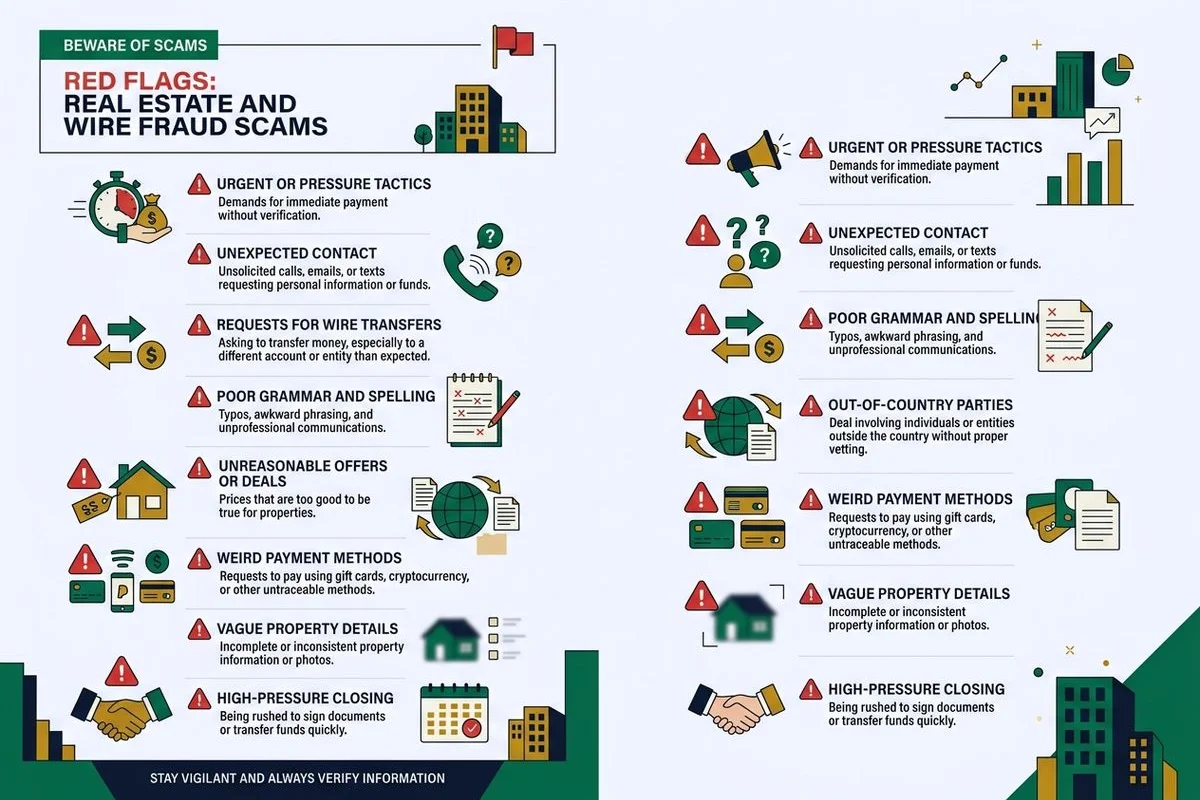
Common scam patterns targeting sellers
What are the most common scam patterns targeting sellers right now? Unlicensed buyers locking up properties without funds and fraudulent deed transfers are the primary threats.
Our research shows many homeowners fall victim to the wholesale contract assignment trap. Unscrupulous operators promise a fast cash close without actually having the money. Texas Property Code Section 5.086 legally requires wholesalers to disclose they are only selling an option to buy your home.
We strongly advise asking for a massive earnest money deposit to weed out these bad actors. A real cash buyer will gladly put down thousands of dollars to secure the deal. A fake buyer will try to offer ten dollars and ask for a lengthy inspection period.
Common seller scams in the local market include:
- The Phantom Buyer: Someone who signs a contract but immediately tries to market your house online.
- Deed Fraud: Criminals forging warranty deeds to illegally transfer your property title.
- Fake Foreclosure Relief: Scammers offering to save your credit by taking over your deed.
- Overpayment Checks: Fraudsters sending a large fake check and asking you to wire back the difference.
Our local market conditions change the practical reality of these threats. High buyer demand in Tarrant and Dallas counties makes distressed properties a prime target. You must stay vigilant regarding any unsolicited cash offer you receive.
Wire-fraud red flags
What are the biggest wire-fraud red flags for a seller or buyer? Last-minute changes to wiring instructions and extreme pressure to send funds immediately are the top warning signs.
Our title company partners report that business email compromise is the leading cause of missing funds. Scammers hack into the email accounts of local real estate agents or title officers. They wait until closing day and send you a spoofed email with fake bank details.
We strongly advise verifying all financial instructions over the phone before sending a single dime. The 2025 State of Wire Fraud report from CertifID notes that 48 percent of consumers are completely unaware of these specific risks. Cybercriminals use sophisticated artificial intelligence tools to make these fake emails look incredibly convincing.
Watch out for these critical wire fraud indicators:
- Emails sent outside normal business hours.
- Instructions demanding you wire money to a personal bank account.
- Slight typos in the sender’s email address.
- A sudden refusal to accept a cashier’s check for closing costs.
Our team insists you always call a trusted phone number you already have on file. Do not call the phone number listed in the suspicious email. One quick phone call is all it takes to protect your entire down payment.
Bait-and-switch offer tactics
How do bait-and-switch offer tactics work in a real estate transaction? A buyer submits an inflated cash offer to beat the competition and then demands massive price cuts during the inspection period.
Our clients frequently encounter this frustrating strategy from aggressive out-of-state investors. They use the standard Texas seven-day option period as a weapon to renegotiate the deal. They will manufacture fake repair issues to justify dropping their offer by ten or twenty thousand dollars.
We suggest limiting the option period to three days if you accept a fast cash offer. You should also demand a high option fee to ensure the buyer has skin in the game. This simple requirement quickly scares off most amateur wholesalers looking for a free ride.
Consider this data-driven comparison to evaluate offer quality:
| Offer Characteristic | Legitimate Cash Buyer | Bait-and-Switch Buyer |
|---|---|---|
| Option Fee | Willingly pays $500 to $1,000 | Tries to pay $10 to $50 |
| Option Period | Requests 3 to 5 days | Demands 10 to 14 days |
| Proof of Funds | Provides recent bank statement | Offers a generic pre-approval letter |
| Inspection Focus | Looks for major structural issues | Nitpicks minor cosmetic defects |
Our advice is to walk away the moment a buyer threatens to cancel over trivial repairs. Two or three offers with a documented condition assessment provide you with genuine negotiation power. One isolated offer is just a starting price that the buyer hopes to lower.
A verification checklist before you sign
What belongs on a verification checklist before you sign a real estate contract? You must confirm the buyer’s corporate status, proof of funds, and professional licensing before agreeing to any terms.
Our protocol involves using public state databases to verify every single party involved in the deal. Anyone claiming to represent a brokerage must appear in the Texas Real Estate Commission license holder search. You can also verify local property ownership records through the Dallas County Appraisal District or Tarrant Appraisal District.
We recommend checking the buyer’s company name against the Texas Comptroller taxable entity search. This step ensures the LLC buying your home is legally registered and active in the state. Many scammers operate behind unregistered shell companies that offer zero legal accountability.
Follow this strict verification process before signing:
- Demand a bank statement: The name on the statement must match the name on the contract.
- Verify the title company: Independently search for their official website and call their main office line.
- Check the real estate license: Enter the agent’s name into the state database to ensure active status.
- Review the entity status: Search the state comptroller site to verify the buyer’s business is legitimate.
Our experience shows that honest professionals welcome this level of scrutiny. A legitimate buyer expects you to perform basic due diligence on a massive financial transaction. If someone pushes back against your verification efforts, cancel the deal immediately.
Where to go next
What is the best step regarding where to go next with your home sale? You should review our primary guide on how to sell a house in texas to understand your full range of options.
Our team constantly updates these resources to reflect the current North Texas market conditions. Related situation guides link out directly from that parent hub page. Choosing the right path depends entirely on your timeline and specific property condition.
We are ready to answer your specific questions if you still feel unsure about your situation. Please Contact us and a team member will point you to the right guide or company review. Your peace of mind is worth the extra five minutes of research.
Related guide: verify a cash buyer
FAQ
What are common home-selling scams in DFW?
Bait-and-switch cash offers, fake title/escrow wire instructions, and no-proof-of-funds buyers.
How do I avoid wire fraud at closing?
Verify wire instructions by phone with a known title-company number before sending.
How can I tell if a cash buyer is legit?
Ask for proof of funds, check reviews, and use a reputable title company.