Skip to content

How to Sell a House in Texas: Your Complete Walkthrough

The process/legal hub anchoring the Texas transaction pipeline: forms, disclosures, title-company closing, and legal guides.

Last updated:

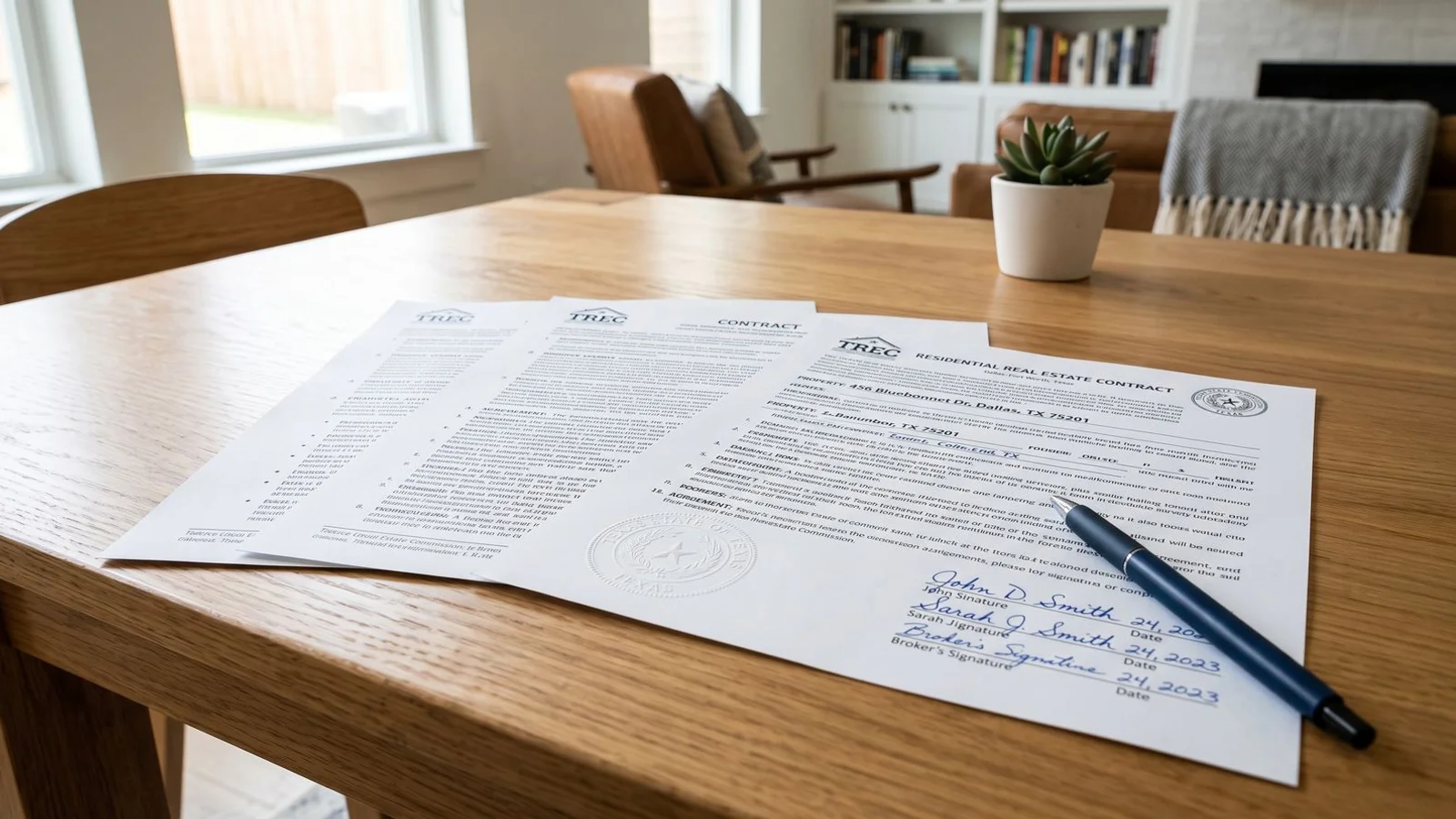
DFW Real Estate Review guide to Texas TREC contract documents and seller disclosure forms
Licensed Texas Agent (TREC #679806) Independent since 2016 Full referral disclosure

What this hub covers

  • End-to-end Texas selling process, step by step
  • TREC forms and the mandatory seller's disclosure notice explained
  • How Texas title-company closings work and how to choose one
  • How to spot real estate scams and understand the TREC 1-4 Family contract

Selling a House in Texas: Contract to Closing

Selling a home in Texas has its own rules. Whether you own a single-family home in Dallas, a townhouse in Fort Worth, or a condo in Plano, the process follows the same framework. The closing happens at a title company, not an attorney’s office. There’s a mandatory seller’s disclosure most other states don’t require. The standard residential contract is a promulgated TREC form. And the option period - a paid inspection window unique to Texas - sits at the front of every deal.

DFW Real Estate Review - independent since 2016 and written by a licensed Texas real estate agent (TREC #679806) - built this walkthrough for North Texas homeowners. Read it before you sign a listing agreement, a cash-buyer offer, or any FSBO contract.

Five Steps Every Home Seller Walks Through

Stage 1: Decide the lane. Traditional listing with a full-service agent, discount agent, flat fee MLS, cash sale, or FSBO. Each has different marketing, different negotiation, and different post-contract obligations. Our cost hub breaks down the net-proceeds difference between them.

Selling laneTypical net proceedsTypical time to close
Full-service listingHighest (after 5–6% commission)30–90 days
Discount agent / flat fee MLSHigh (commission cut to ~1–3%)30–90 days
Cash sale (as-is)Lower (no commission, discounted offer)7–14 days
FSBOVaries (no listing commission, more work)30–120 days

Stage 2: Prepare disclosures. Texas Property Code §5.008 requires the seller of most residential property to complete and deliver a written Seller’s Disclosure Notice covering known defects, systems, and property history. Filling this out sloppily is how sellers get sued after closing. Complete it carefully. If the home was built before 1978, add the federal lead-paint disclosure. If there’s an HOA, order a resale certificate.

Stage 3: Sign the contract. Most Texas residential resales use the TREC One to Four Family Residential Contract (Resale). Standard components:

  • Purchase price and financing terms
  • Earnest money (typically 1% of price)
  • Option period - usually 5–10 days, paid separately, gives buyer the unrestricted right to terminate
  • Inspection contingencies and repair negotiation deadlines
  • Closing date
  • Any addenda (HOA, lead paint, third-party financing)

Cash-buyer companies frequently use their own contracts. Those are legal but do not have the buyer-protection language of a TREC form. Read them line by line - especially the section on how repair-cost “adjustments” work.

Stage 4: Move through the option period. Buyer inspects the home, requests repairs or credits, and either accepts, negotiates, or terminates. This is where deals live or die. On a cash sale that’s marketed as “as-is, no inspection contingency,” the option period is often waived entirely - read the contract to confirm.

Stage 5: Close at the title company. Texas closings are done at a title company by an escrow officer, not an attorney. Seller signs the deed and closing documents; lender wires the funds; title company records the deed; seller receives net proceeds by wire or check. Typical closing appointment: 30–60 minutes.
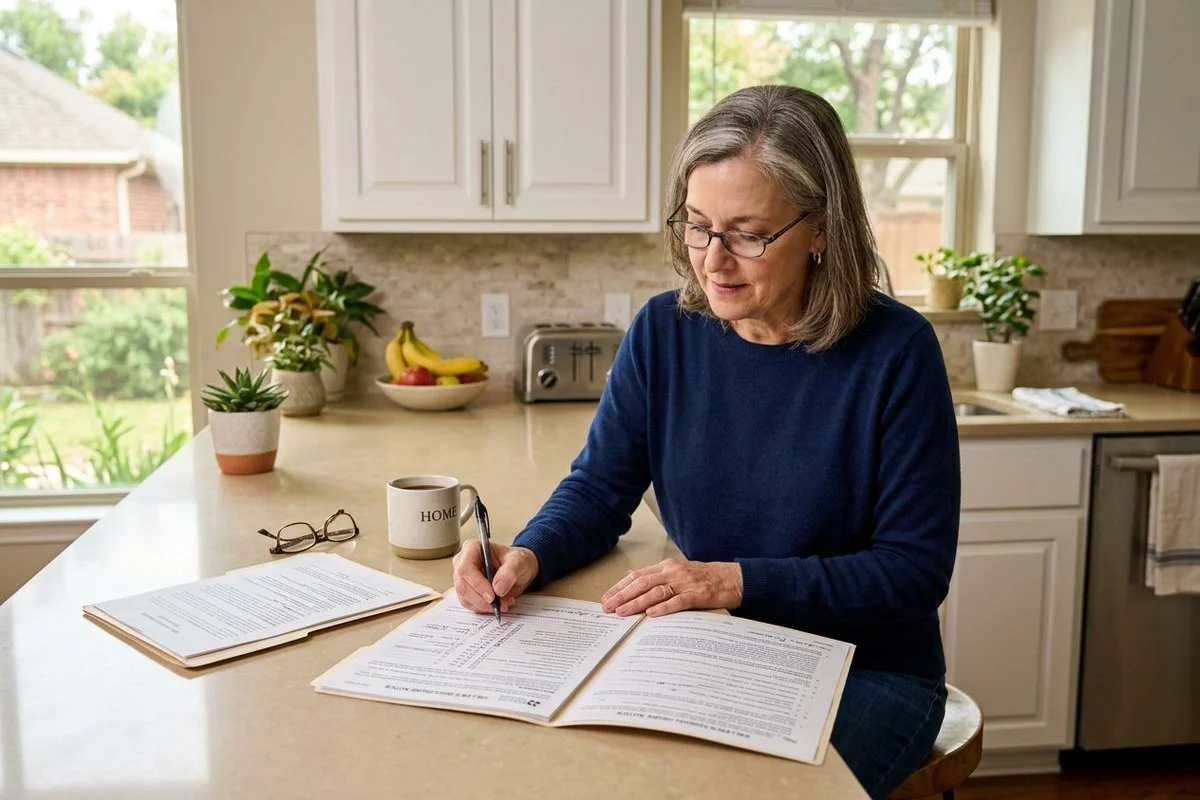
Dallas-Fort Worth homeowner filling out the Texas Seller's Disclosure Notice (TREC OP-H) at a kitchen counter

Costly Mistakes DFW Home Sellers Make

Underestimating the disclosure. The seller’s disclosure is not a formality. Failure to disclose known defects can expose you to post-closing litigation. When in doubt, disclose.

Not reading the cash-buyer contract. Most complaints DFW Real Estate Review has documented about cash-buyer companies come from sellers who signed a contract with vague “repair adjustment” language and were surprised when the offer dropped $15k the day before closing. Read the whole thing.

Assuming a wholesaler is the end buyer. Wholesalers are legal in Texas but they don’t buy - they assign the contract to a third party. If you weren’t told upfront, you have a right to ask.

Skipping the option period. Even if you’re motivated, the option period is your negotiation leverage. Not having one puts all the leverage on the buyer.

Choosing a title company blindly. Not all title companies work the same. A good escrow officer catches lien and heirship issues weeks before closing; a mediocre one flags them the day of.

TREC Forms, Disclosures, and Closing Guides

Every step above has a dedicated guide:

Selling a house in Texas is not complicated. It’s just specific - especially across Dallas, Tarrant, Collin, and Denton counties where each county’s title and tax office has its own quirks. This hub is your map through the process.

Free, no email required

See what your DFW home actually nets.

Run the numbers before you sign anything. Two free calculators, no lead-capture wall.

How It Works

1

Decide the lane

Traditional listing, discount agent, flat fee MLS, cash sale, or FSBO. Each has different paperwork obligations under Texas law but all use the same seller's disclosure and the same title-company closing structure.

2

Prepare the property and disclosures

Complete the mandatory Seller's Disclosure Notice per Texas Property Code §5.008 and any HOA-related disclosures. Get lead paint disclosure if the home was built pre-1978.

3

Sign the contract

Most Texas residential sales use the TREC One to Four Family Residential Contract (Resale). Amendments, addenda, and the option period are all standard parts of that contract.

4

Move through the option period

Buyer inspection, negotiation of repairs or credits, and objection deadlines all happen inside the option period, typically 5–10 days after execution.

5

Close at the title company

In Texas, closings happen at a title company. Signing, funding, and recording are handled by the escrow officer. Seller receives net proceeds by wire or check.

Why this coverage is different

Texas-specific, not generic

This is not a national selling guide with Texas info sprinkled in. It's built around TREC forms and Texas Property Code from step one.

Written by a licensed agent

Content researched and written by a licensed Texas real estate agent (TREC #679806). We know where the paperwork actually trips people up.

Scam-avoidance built in

Texas has an active wholesaling and 'cash for keys' scam scene. This hub flags the common patterns so you don't sign the wrong thing.

Reader feedback

What DFW Sellers Say

★★★★★

"I was about to sign with the first 'we buy houses' company that mailed me a postcard. Their review broke down exactly what I'd actually net versus listing, and it saved me from a lowball offer."

Marcus T. Garland, TX
★★★★★

"Going through a divorce with a house neither of us could agree on. The guide on selling during divorce in Texas laid out our real options in plain English. Finally something written for Texas, not generic advice."

Danielle R. Fort Worth, TX

Frequently Asked Questions

What contract do I use to sell a house in Texas?

For a standard residential resale, the TREC One to Four Family Residential Contract (Resale) is the standard form. It's a promulgated TREC contract and is used by every licensed agent. FSBO sellers can also use it. Cash-buyer companies often use their own contract - read carefully before signing.

Is the Texas Seller's Disclosure Notice required?

Yes. Texas Property Code §5.008 requires the seller of most residential real property to complete and deliver a written Seller's Disclosure Notice to the buyer. Certain sales are exempt (a small number, including some trustee and executor sales) but the vast majority of residential sales require it.

Do I need an attorney to sell a house in Texas?

Not for a standard sale. Texas closings are handled by title companies, not attorneys. That said, for unusual situations - probate, disputed heirship, back taxes, undisclosed liens - a real estate attorney is often worth the cost.

How long does a Texas home sale take from contract to close?

A traditional financed sale typically runs 30–45 days from executed contract to closing. A cash sale can close in 7–14 days once title is clear. Delays typically come from lender underwriting (financed sales), title issues, or repair-credit negotiations.

What are the typical closing costs when selling a house in Texas?

As of 2026, Texas sellers typically pay 1-3% of the sale price in closing costs, including title insurance, escrow fees, and prorated property taxes. On a traditional listing, add 5-6% for agent commissions. Cash sales eliminate commissions but usually offer 70-85% of market value. Our [closing costs breakdown for DFW sellers](/guide/closing-costs-for-sellers-in-dfw/) covers every line item.

Ready to weigh your DFW options?

Independent 2026 rankings, real fee breakdowns, and free calculators.